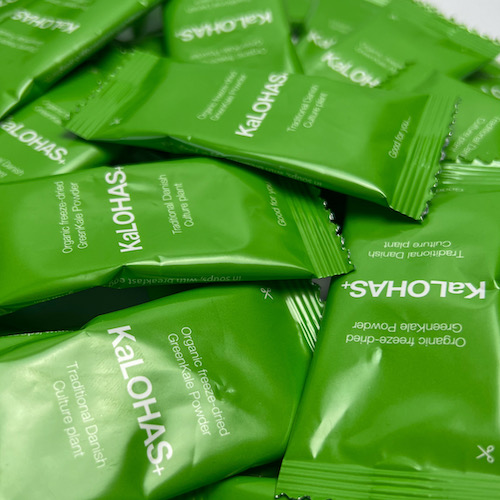
The powerhouse of Greenkale
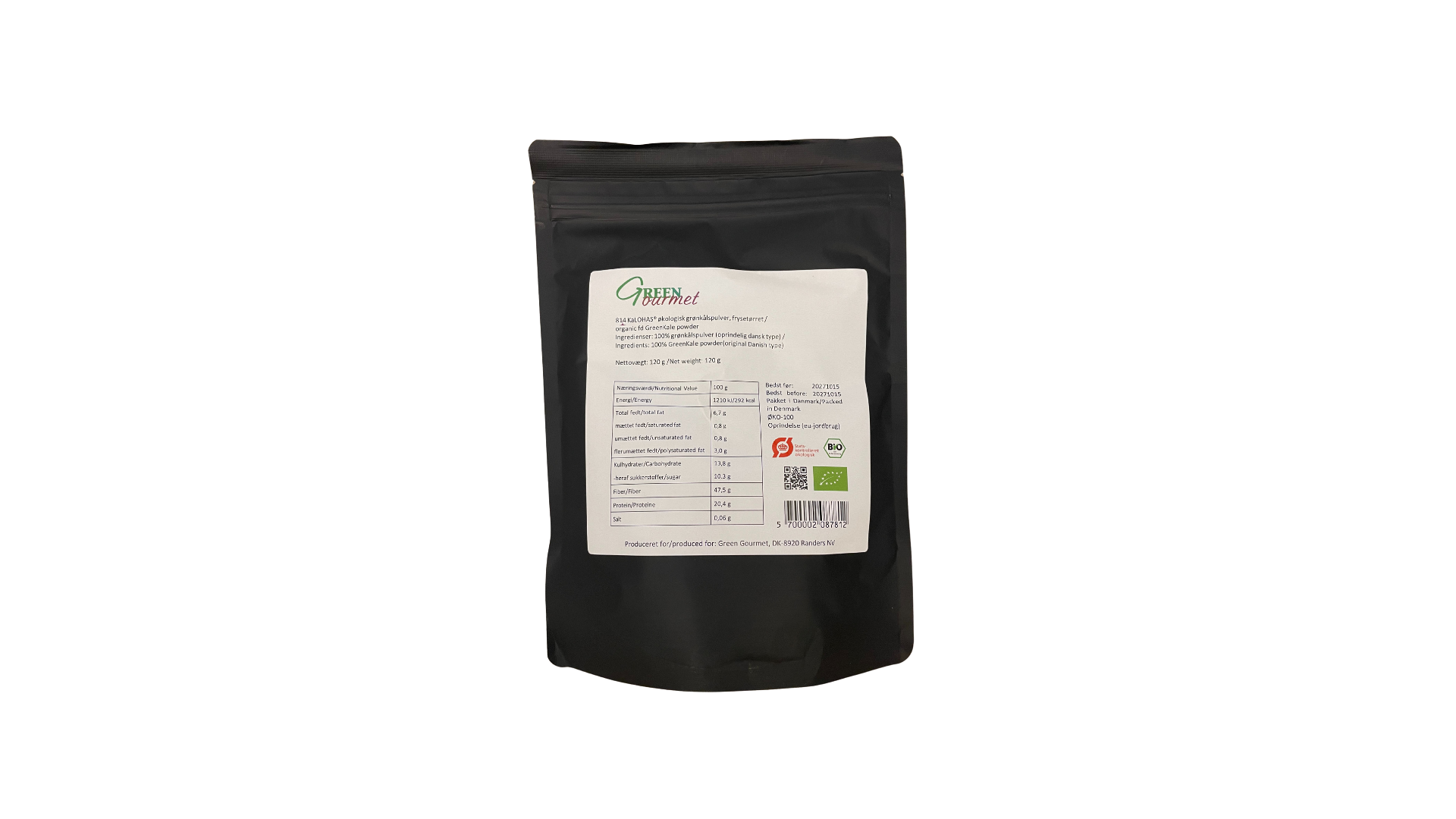
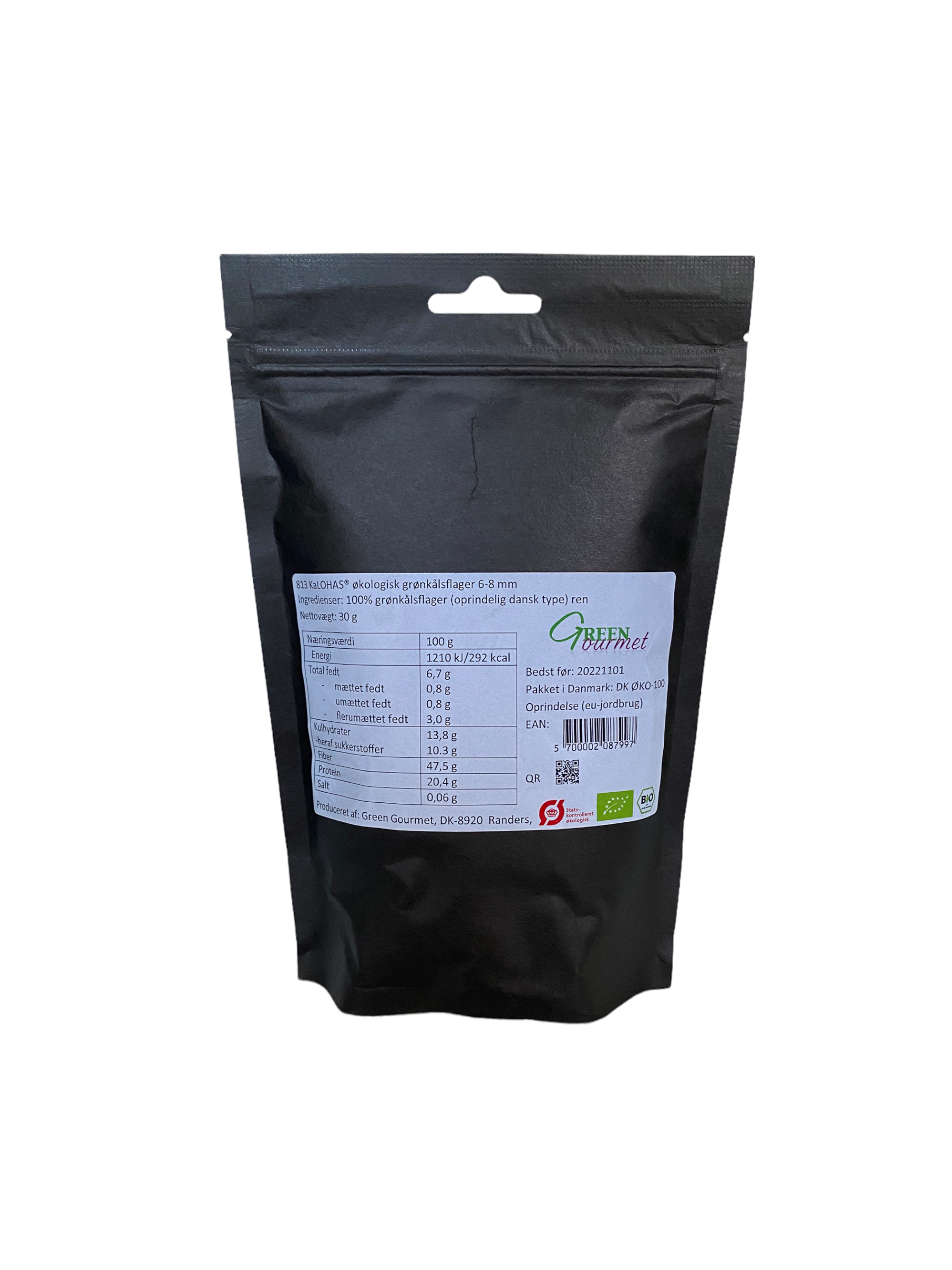

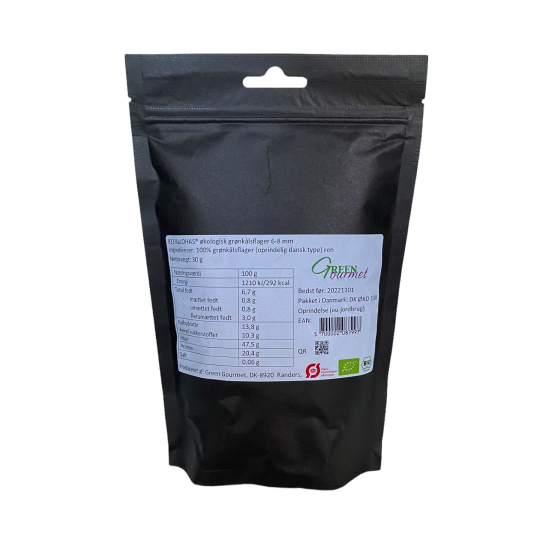
Greenkale is a green leafy vegetable belonging to the cruciferous family (Cruciferae). The old original Danish type of kale (propagated from original seeds from the seed bank at the North Cape) is used for our production of kale/KaLOHAS®, which is a food with almost no fat (7.3 g in 100 g) and with a good content of protein (25 g in 100 g), as well as a high content of dietary fiber (41 g in 100 g). In addition, KaLOHAS® contains the following vitamins: C, D, E, K, B1, B2, B3, B5, B6, B7, and B9 as well as Calcium, Chromium, Copper, Iron, Potassium, Magnesium, Manganese, Phosphorus, Zinc, Selenium and significant amounts of other bioactive compounds.
Eating KaLOHAS® kale powder is a good way to increase the nutritional content of your diet.
High protein and amino acid content
Proteins contribute to the maintenance and growth of muscle mass and contribute to the maintenance of normal bones. Proteins are long chains made of amino acids. When we mention proteins, we should also also note that KaLOHAS® kale powder contains all the essential amino acids (see the list below) that the body cannot produce itself, as well as several non-essential amino acids. For you as a consumer, this means that the product is a fantastisk source of high-quality plant-based protein.
The essential amino acids are vital because the body cannot produce them itself, and they are necessary for the building and maintenance of muscles, enzymes, hormones, and the immune system. The body can normally produce the non-essential amino acids itself, but obtaining them through diet eases the body’s own workload from a biological perspective.
Overall, KaLOHAS® ensures that you receive en bred vifte af amino-syre-byggesten til kroppen, which is particularly valuable for those who do not consume animal products. But also generally for everyone who wants a healthy, nutritious and complete plant-based protein source.
| Test | Parameter | Result | Unit | U(%) | Est. value |
|---|---|---|---|---|---|
| Amino-acids profile ( with tryptophan) | |||||
| DI004 | ISO 13903:2005 / amino-acid analyser | ||||
| Serine | 1.12 | g/100 g | 5,8 | ||
| Glutamic acid | 3.34 | g/100 g | 4,52 | ||
| Proline | 2.17 | g/100 g | 8,44 | ||
| Glycine | 1.19 | g/100 g | 6,4 | ||
| Alanine | 1.25 | g/100 g | 5,2 | ||
| Valine | 1.27 | g/100 g | 6,5 | ||
| Isoleucine | 0.93 | g/100 g | 8,3 | ||
| Leucine | 1.82 | g/100 g | 7,04 | ||
| Tyrosine | 0.738 | g/100 g | 10,8 | ||
| Phenylalanine | 1.15 | g/100 g | 5,5 | ||
| Lysine | 1.53 | g/100 g | 5,7 | ||
| Histidine | 0.563 | g/100 g | 13,8 | ||
| Arginine | 1.57 | g/100 g | 6 | ||
| Hydroxyproline | 0.132 | g/100 g | 20 | ||
| Aspartic acid | 2.47 | g/100 g | 5,2 | ||
| Threonine | 1.07 | g/100 g | 5,5 | ||
| Ornithine | <0.05 | g/100 g | 20 | ||
| DJ009 | EN ISO 13904 / HPLC | ||||
| Tryptophan (Total) | 0.386 | g/100 g | 7,8 | ||
| DJ011 | ISO 13903:2005 / Amino-acid-analyser | ||||
| Cystein +Cystine | 0.283 | g/100 g | 9 | ||
| Methionine | 0.416 | g/100 g | 7,6 | ||
Excellent source of vitamins and minerals
Greenkale is a rich source of vitamin A (beta-carotene), vitamin C, vitamin K, folate, riboflavin, calcium, potassium and manganese [4, 5] , and the content of these nutrients are higher than other cruciferous vegetables, such as broccoli, cauliflower, collards, cabbage, Brussels sprouts [6]. It also contains lots of other dietary vitamins and minerals that are necessary for your body.
Vitamin K
Kale is also extremely rich in vitamin K. One serving provides over 30% of your daily requirement. 2-gram of KaLOHAS contain 23,4 µg.
- Vitamin K contributes to normal blood clotting
- Vitamin K contributes to maintaining normal bones [10].
Vitamin C
Kale is extremely rich in vitamin C, higher than most other vegetables. Vitamin C is also known as ascorbic acid. It is one of the most potent antioxidants in your body [11] and contributes to protecting your body against oxidative stress and thereby supporting the immune system.
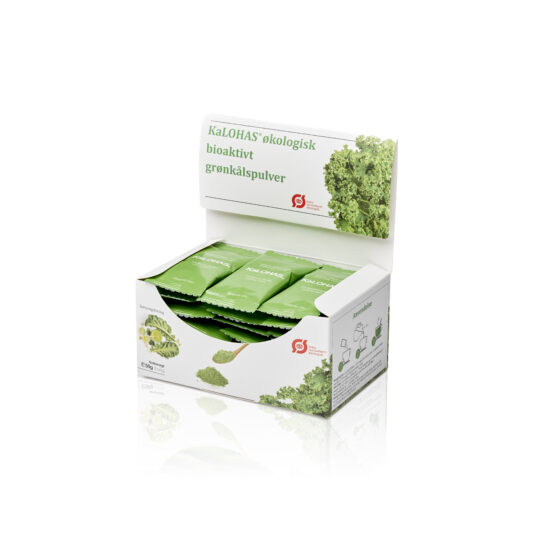
If you are not keen on green vegetables, you could meet your vitamin C needs with, for example, 1 sachet of KaLOHAS dissolved in water or apple juice and one orange per day.
Vitamin C intake supports collagen synthesis and the normalisation of vitamin C in the skin. Vitamin C has many roles for the body’s health: significance for the normal functioning of blood vessels, bones, cartilage, gums and teeth, and acts as an antioxidant to protect the skin against UV damage[14]. Vitamin C contributes to normal energy metabolism, a well-functioning nervous system, normal psychological function, and the normal function of the immune system. Vitamin C contributes to the regeneration of the reduced form of vitamin E and increases the absorption of iron. Contributes to the normal function of the immune system, and by contributing to normal energy metabolism, it will help to reduce tiredness and fatigue.
Calcium
If you do not eat dairy products, you may benefit from purchasing the large bags of KaLOHAS and taking an amount equivalent to 6 grams of powder daily – stirred into your smoothie or yoghurt. In this way, dried pure kale can contribute to your daily calcium intake.
Kale can thus be a good plant-based source of calcium, which is important for the body’s normal functions […19]. Calcium bidrager til vedligeholdelse af normale knogler and teeth, normal muscle function, energy metabolism, blood clotting and neurotransmission. It also plays a role in cell division and specialisation as well as in the normal function of digestive enzymes [20, 21].
Source of health-promoting phytochemicals
Phytochemicals are natural bioactive substances that plants produce to protect themselves against stress and harmful influences. When we consume plant-rich foods such as kale, we also benefit from these substances as a small part of a varied and balanced diet.
In addition to many important vitamins and minerals, kale also contains a wide range of phytochemicals, including carotenoids, polyphenols and glucosinolates [22]. These plant compounds contribute to kale’s colour, flavour and natural properties.