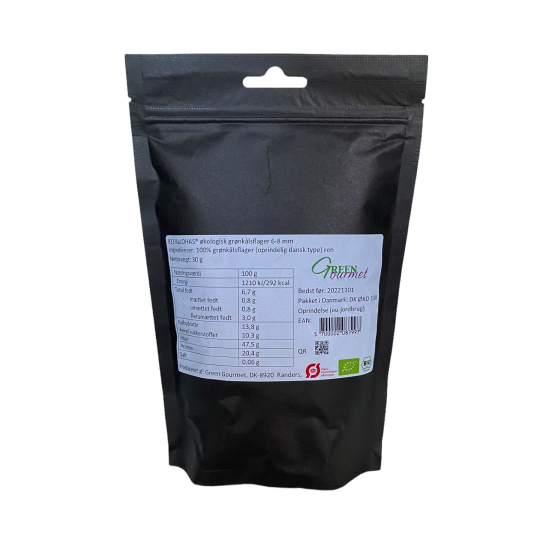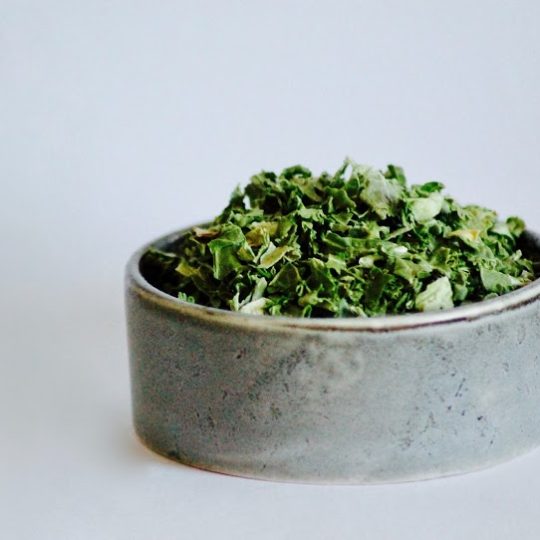
The powerhouse of Greenkale
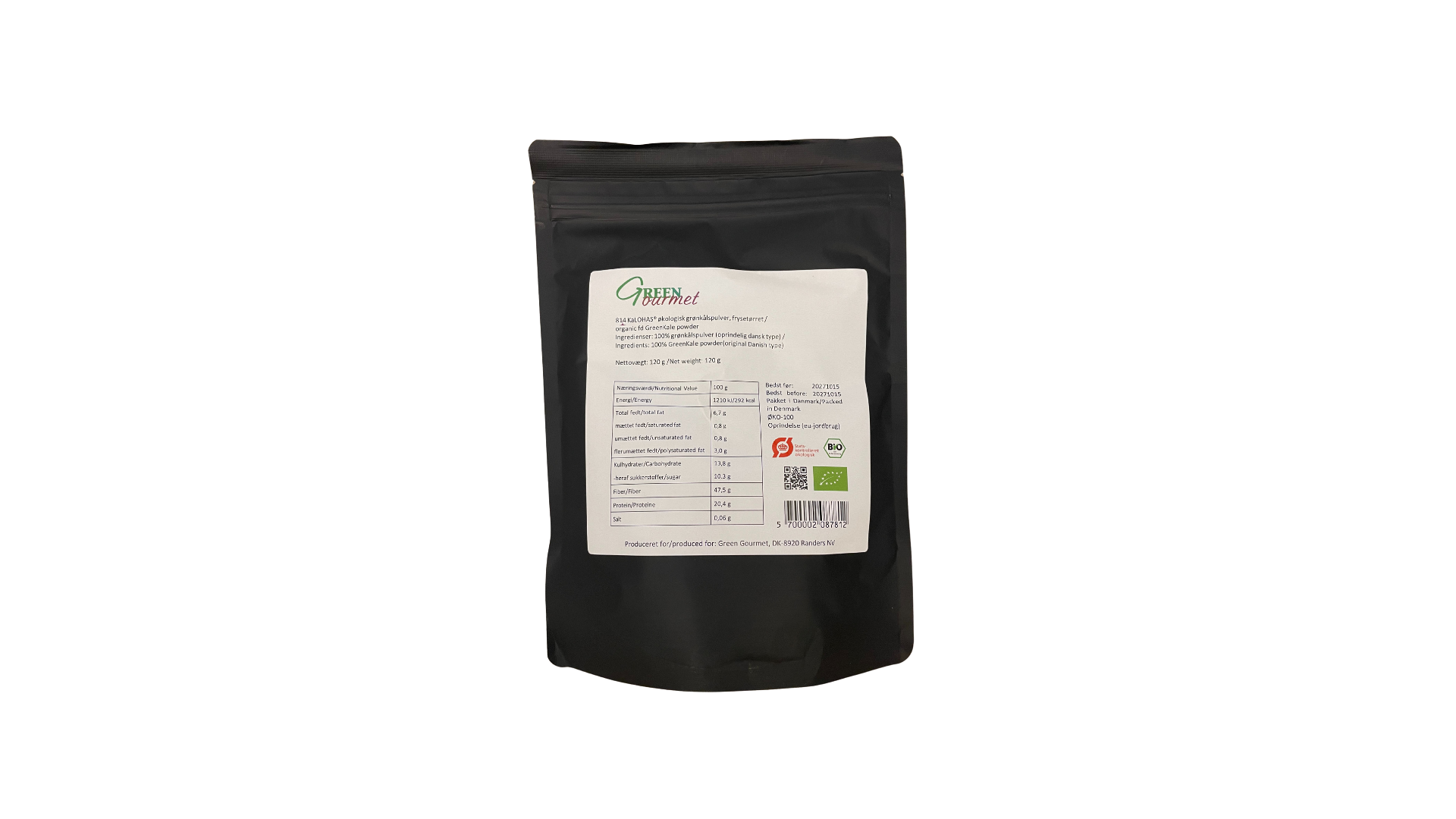
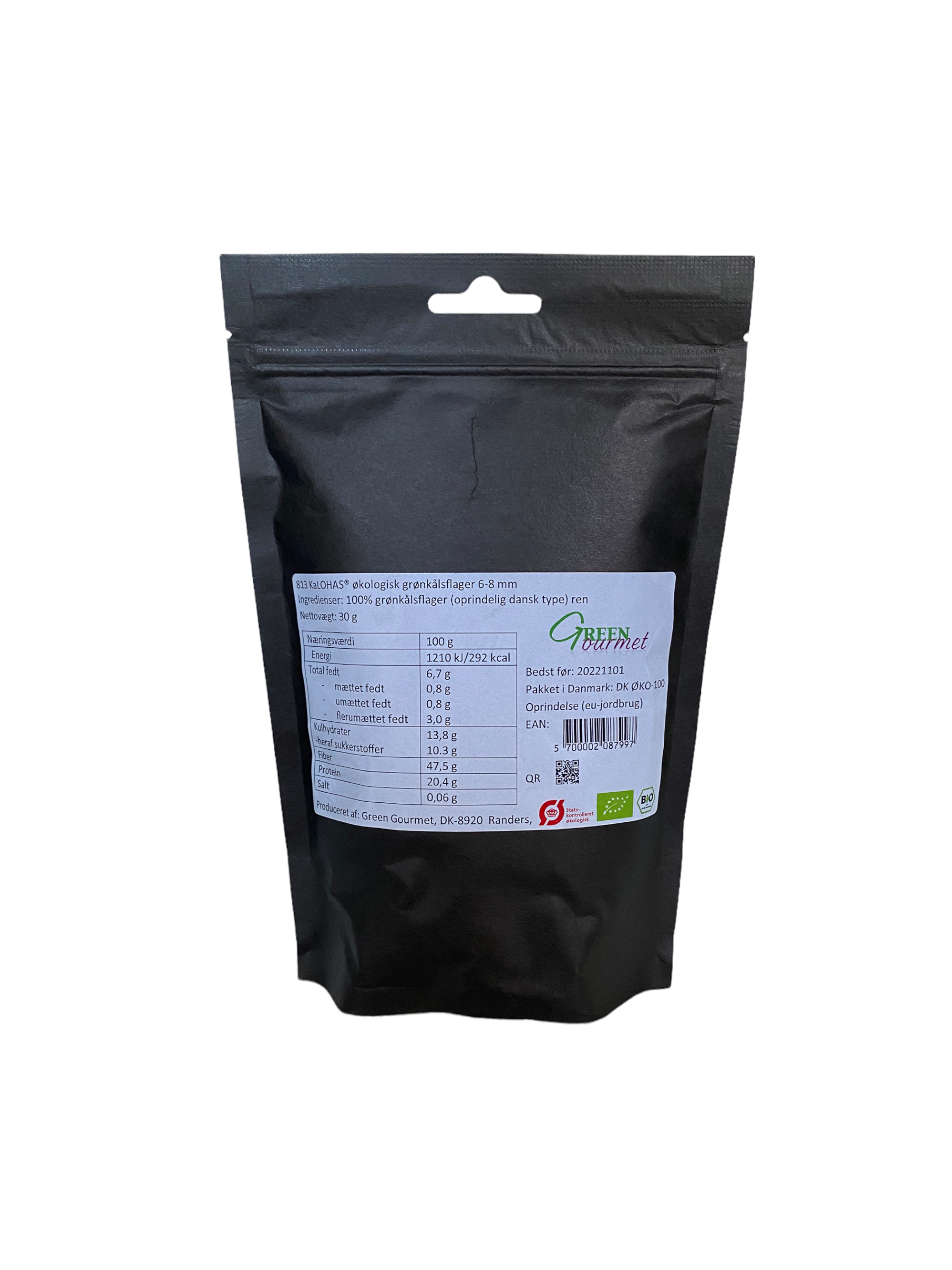
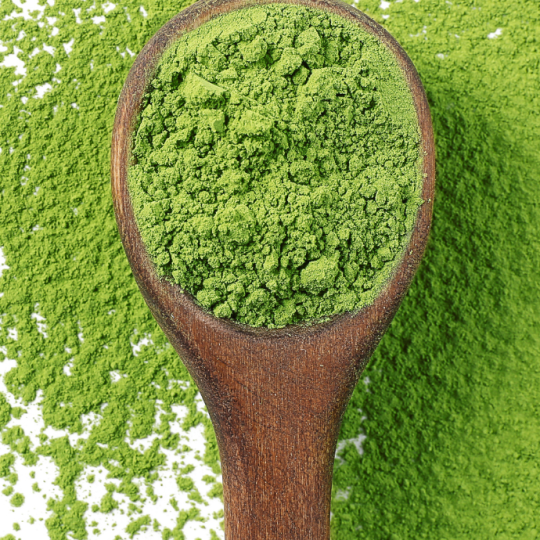
Greenkale is a green leafy vegetable belonging to the cruciferous family (Cruciferae). The old original Danish type of kale (propagated from original seeds from the seed bank at the North Cape) is used for our production of kale/KaLOHAS®, which is a food with almost no fat (7.3 g in 100 g) and with a good content of protein (25 g in 100 g), as well as a high content of dietary fiber (41 g in 100 g). In addition, KaLOHAS® contains the following vitamins: C, D, E, K, B1, B2, B3, B5, B6, B7, and B9 as well as Calcium, Chromium, Copper, Iron, Potassium, Magnesium, Manganese, Phosphorus, Zinc, Selenium and significant amounts of other bioactive compounds.
Eating KaLOHAS® kale powder is a good way to increase the nutritional content of your diet.
High protein and amino acid content
Proteins contribute to the maintenance, increase of muscle mass and contribute to the maintenance of normal bones. When we mention proteins, we should mention that KaLOHAS® kale powder contains all the essential amino acids that the body cannot produce itself, as well as several non-essential amino acids. For you as a consumer, this means that the product is a complete source of high-quality plant-based protein.
The essential amino acids are vital because the body cannot produce them itself, and they are necessary for the building and maintenance of muscles, enzymes, hormones and the immune system. The non-essential amino acids can normally be produced by the body itself, but getting them from the diet facilitates the body’s work and supports muscle building and recovery.
Overall, KaLOHAS® ensures that you get all the necessary building blocks for the body, which is particularly valuable for people who do not eat animal products, but also in general for anyone who wants a healthy, nutritious and complete plant-based protein source. The research has investigated a low glycemic index diet and its possible impact on blood sugar regulation. KaLOHAS® can be included as part of a varied diet, and you can read about the study by clicking: [1].
Excellent source of vitamins and minerals
Greenkale is a rich source of vitamin A (beta-carotene), vitamin C, vitamin K, folate, riboflavin, calcium, potassium and manganese [4, 5] , and the content of these nutrients are higher than other cruciferous vegetables, such as broccoli, cauliflower, collards, cabbage, Brussels sprouts [6]. It also contains lots of other dietary vitamins and minerals that are necessary for your body.
Vitamin A
Actually, Greenkale contains a large amount of beta-carotene. Beta-carotene is pro-vitamin A, which can be converted to vitamin A in your body. The content of vitamin A in food is often calculated from its beta-carotene content, and expressed as vitamin A equivalence. Vitamin A helps your eyes to maintain normal vision [7], accelerates wound healing of skin [8], and also help you to keep a healthy immune system [9].
Vitamin K
Greenkale is also extremely rich in vitamin K. It provides over 30% of your daily needs by just one serving. This vitamin is essential for normal blood clotting and bone health, thus gives you strong bones [10].
Vitamin C
Greenkale is extremely rich in vitamin C, higher than most other vegetables. Vitamin C is also called ascorbic acid because it is essential to prevent scurvy, and it is key in maintaining normal body function. It is one of the most potent antioxidants in your body [11], and can protect your body from oxidative stress, make you recover faster from diseases and tiredness [12, 13]. Normal skin also contains high concentrations of vitamin C, it stimulates collagen synthesis and acts as antioxidant to protect the skin against UV-damage [14]. Vitamin C contributes to normal energy-yielding metabolism, the normal functioning of the nervous system, normal psychological function and the normal function of the immune system. Vitamin C contributes to the restoration of the reduced form of vitamin E and increases the absorption of iron.
Potassium
The most important function of potassium is to maintain the fluid balance and normal blood pressure in your body. It is also important for your nervous system, and regulates muscle and heart contractions, protest against stroke. If you want to know more about the functions of potassium, you can find an article here:
[15]
Manganese
It is an essential dietary element that is required for diverse biological activity in your body, involved in nutrient metabolism, bone formation, and particularly in cell protection against oxidative stress [16].
Riboflavin
It plays important roles in the biological reactions in your body. It is an antioxidant and neuroprotective nutrient. It helps with a wide array of health diseases and oxidative stress [17]. Riboflavin contributes to the reduction of tiredness and fatigue, normal iron metabolism and energy metabolism. Riboflavin contributes to the maintenance of normal mucous membranes and red blood cells. It also helps to maintain normal skin and vision.
Folate
Folate, also known as vitamin B9, is an essential nutrient that plays an important role in the body’s health, growth and reproduction. It contributes to tissue growth in pregnant women and to normal blood formation. Folate supports normal amino acid synthesis and normal homocysteine metabolism, which are important for the body’s metabolism. In addition, folate contributes to normal psychological function and the normal function of the immune system. It also helps reduce tiredness and fatigue and plays a central role in the process of cell division.[18].
Kalcium
If you don’t eat dairy products, kale can help you meet your daily calcium intake. Kale is a good plant-based source of calcium, which is essential for normal body function [19]. Calcium contributes to the maintenance of normal bones and teeth, normal muscle function, energy metabolism, blood clotting and neurotransmission. It also plays a role in cell division and specialization, and in the normal function of digestive enzymes [20, 21].
Source of health-promoting phytochemicals
Phytochemicals are natural bioactive compounds that plants produce to protect themselves from stress and harmful influences. When we eat plant-rich foods like kale, we also benefit from these compounds as part of a varied and balanced diet.
In addition to many essential vitamins and minerals, kale also contains a wide range of phytochemicals, including carotenoids, polyphenols, and glucosinolates [22]. These plant compounds contribute to kale’s color, flavor, and natural properties.